Archives
- 2026-04
- 2026-03
- 2026-02
- 2026-01
- 2025-12
- 2025-11
- 2025-10
- 2025-09
- 2025-03
- 2025-02
- 2025-01
- 2024-12
- 2024-11
- 2024-10
- 2024-09
- 2024-08
- 2024-07
- 2024-06
- 2024-05
- 2024-04
- 2024-03
- 2024-02
- 2024-01
- 2023-12
- 2023-11
- 2023-10
- 2023-09
- 2023-08
- 2023-07
- 2023-05
- 2023-04
- 2023-03
- 2023-02
- 2023-01
- 2022-12
- 2022-11
- 2022-10
- 2022-09
- 2022-08
- 2022-07
- 2022-06
- 2022-05
- 2022-04
- 2022-03
- 2022-02
- 2022-01
- 2021-12
- 2021-11
- 2021-10
- 2021-09
- 2021-08
- 2021-07
- 2021-06
- 2021-05
- 2021-04
- 2021-03
- 2021-02
- 2021-01
- 2020-12
- 2020-11
- 2020-10
- 2020-09
- 2020-08
- 2020-07
- 2020-06
- 2020-05
- 2020-04
- 2020-03
- 2020-02
- 2020-01
- 2019-12
- 2019-11
- 2019-10
- 2019-09
- 2019-08
- 2019-07
- 2019-06
- 2019-05
- 2019-04
- 2018-11
- 2018-10
- 2018-07
-
A limitation of the NIA AA
2024-09-11
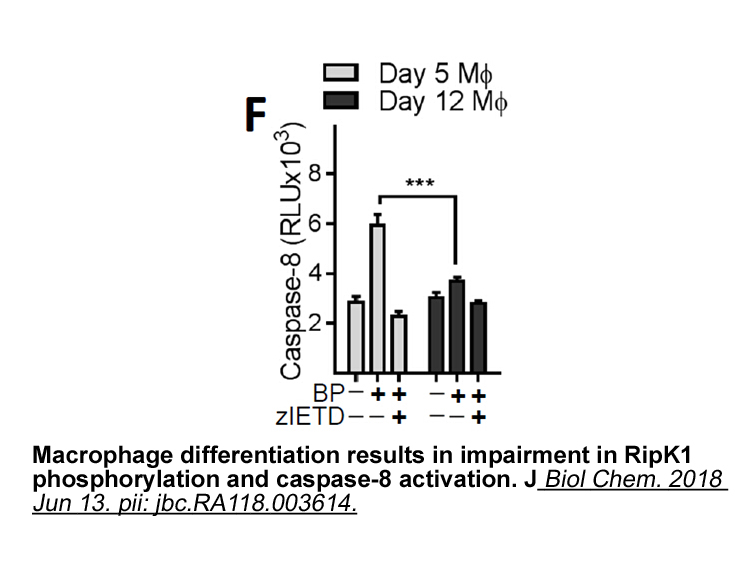
A limitation of the 2011 NIA-AA recommendations was that biomarkers were grouped into just two categories—amyloid and tau-related neurodegeneration. Tauopathy and neurodegeneration were placed into the same biomarker category. In persons with only AD, it is reasonable to assume that neurodegeneratio
-
The proposed formulation is however challenging to solve
2024-09-11
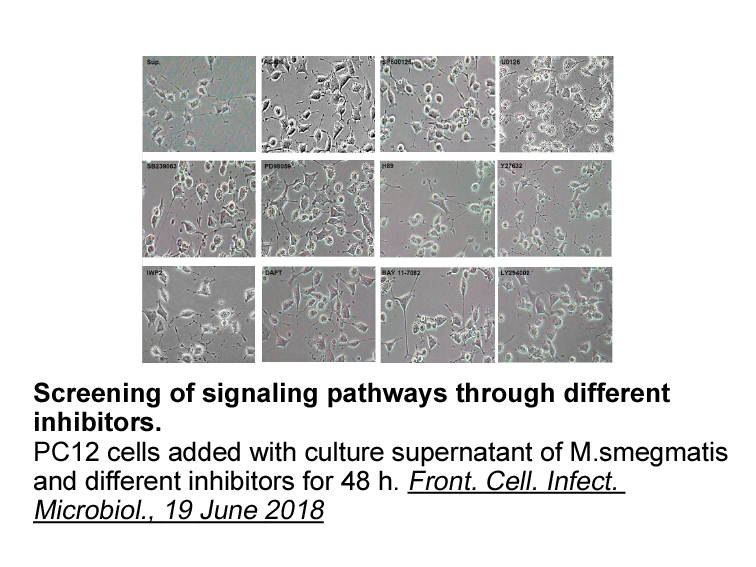
The proposed formulation is, however, challenging to solve since the structured sparsity-inducing norms are non-smooth. In order to solve the new objective function, we consider two different approaches: proximal averaging, which takes the average the solutions from the proximal operator for the ind
-
br Discussion With recently improved understanding
2024-09-11
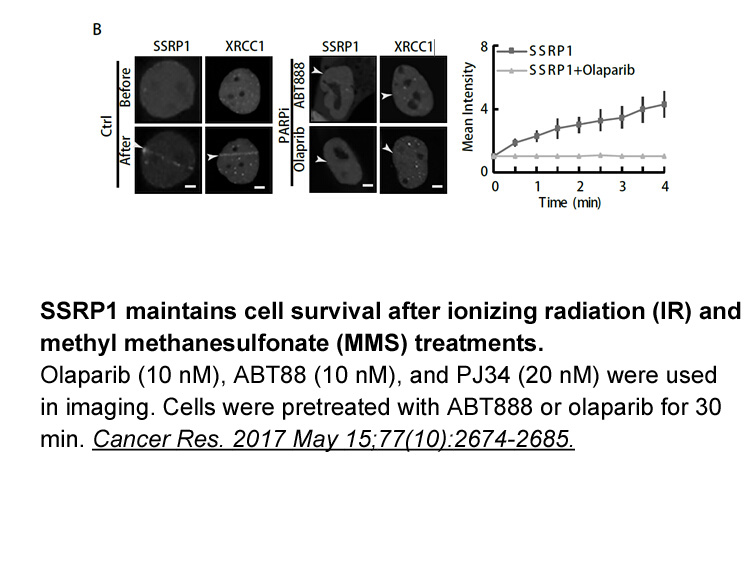
Discussion With recently improved understanding of the role of βARK1 in the progression of HF and as a potential therapeutic target in HF, we explored the relationship between plasma βARK1, as a marker of chronic sympathetic overactivation, and physical symptoms in HF. Our main findings were 1) e
-
APN accounts for of total plasma proteins in
2024-09-11
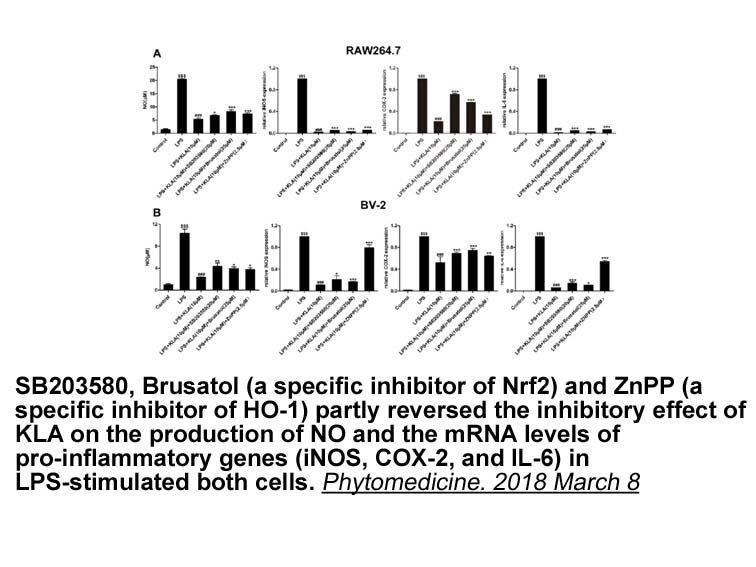
APN accounts for 0.01% of total plasma proteins in humans; this proportion increases with age to a small extent (Barb et al., 2007). Normal APN levels in the circulation range 3–30μg/mL (Aprahamian and Sam, 2011). APN levels are lower in men than women due to the presence of testosterone and even mo
-
As the close paralog of adiponectin we hypothesized that CTR
2024-09-11
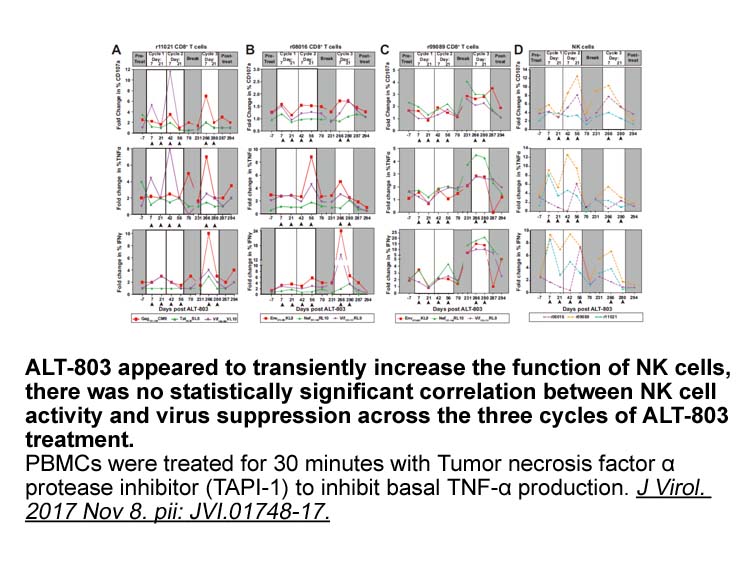
As the close paralog of adiponectin, we hypothesized that CTRP9 could participate in regulation of reproduction. In order to evaluate whether Ctrp9 plays a role in the control of reproduction in tilapia, i.p. injection experiment was performed. HPG (Hypothalamic/pituitary/gonadal) axis plays a key r
-
Vortioxetine is a multimodal antidepressant that acts as an
2024-09-11
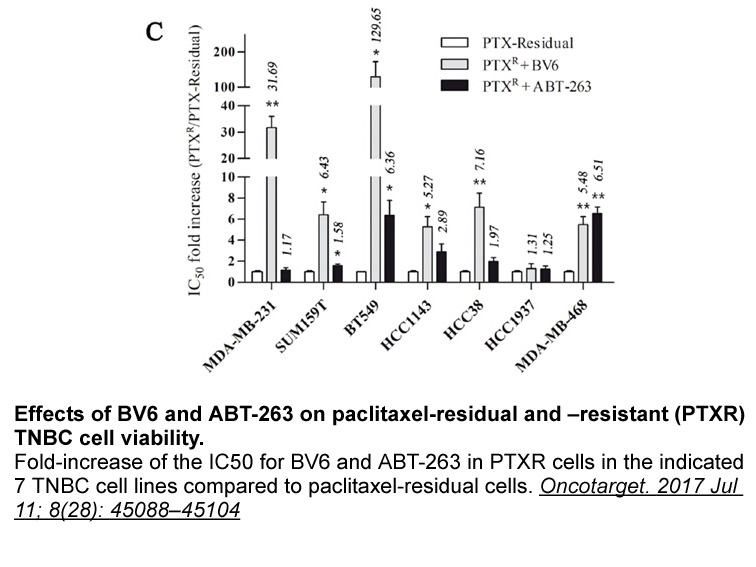
Vortioxetine is a multimodal antidepressant that acts as an inhibitor at the serotonin (5-HT) transporter (SERT), an agonist at 5-HT1A receptors, a partial agonist at 5-HT1B receptors, and an antagonist at 5-HT1D, 5-HT3 and 5-HT7 receptors (Bang-Andersen et al., 2011, Sanchez et al., 2015). Based on
-
br Effective therapeutic window of AR
2024-09-11
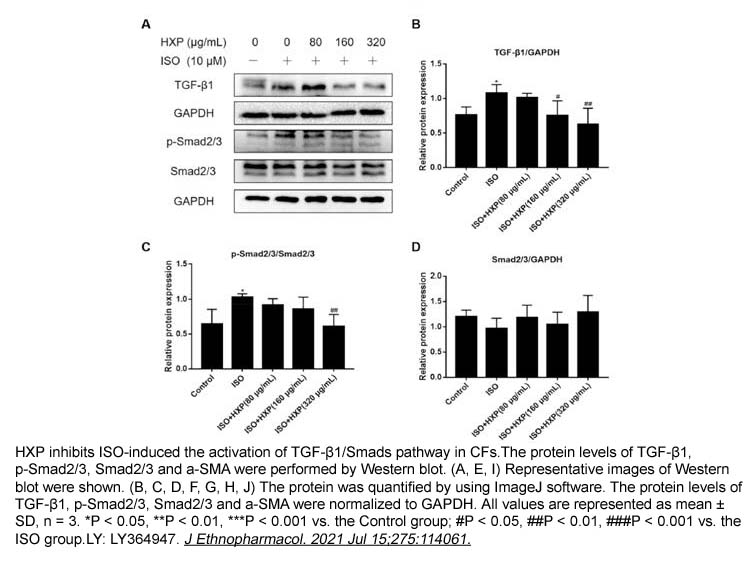
Effective therapeutic window of AR actions on ROP Retinal vasculature undergoes critical developmental changes postnatally: from P7 onward the superficial Apremilast start sprouting vertically in retina to form first the deep then the intermediated vascular plexus in the retina of C57BL/6 mice (
-
In the past few years several experimental
2024-09-11

In the past few years, several experimental findings have demonstrated a pivotal involvement of adenosine also in driving the phenotypic switch of macrophages. In particular, the stimulation of A2A and A2B receptors seems to play a critical role in switching macrophages from M1 to M2 phenotype [37,6
-
In model plant Arabidopsis there are myosin XI
2024-09-11
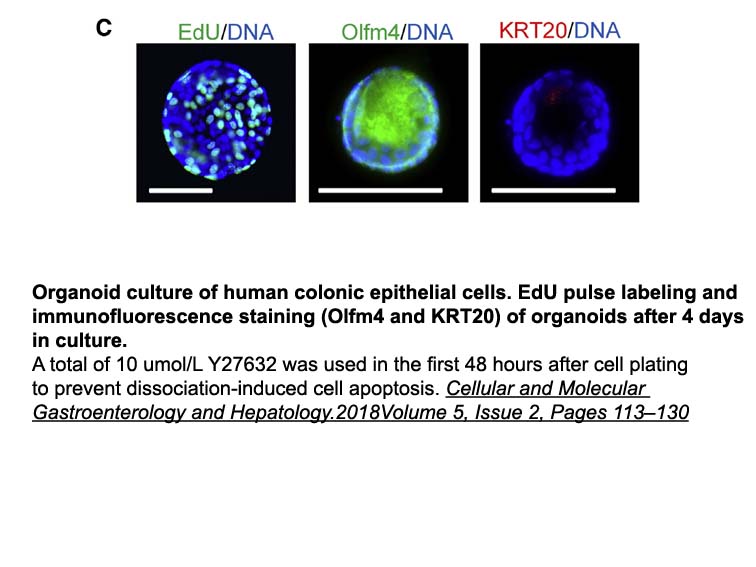
In model plant Arabidopsis, there are 13 myosin XI isoforms (XI-1, XI-2, XI-A, XI-B, XI-C, XI-D, XI-E, XI-F, XI-G, XI-H, XI-I, XI-J, and XI-K) and 4 myosin VIII isoforms (ATM1, ATM2, VIII-A, VIII-B) [9,13]. Arabidopsis myosin XIs have the common domain composition: a motor domain that interacts with
-
L-Cysteinesulfinic acid synthesis br Acknowledgments br Intr
2024-09-11
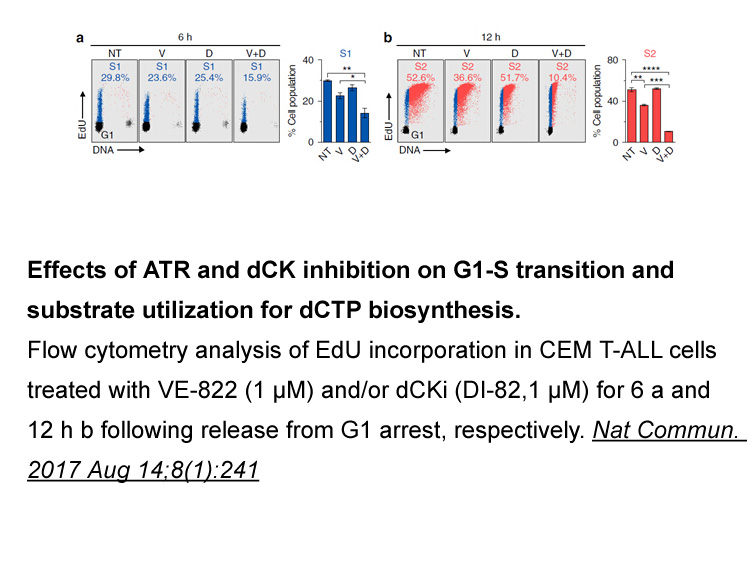
Acknowledgments Introduction Hypospadias is a common congenital malformation in males, in which the urethral orifice is found on the ventral side of the penis as a result of incomplete fusion of urethral folds. The mean prevalence in per 10,000 live births from 1910 to 2013 were: Europe 19.9,
-
Introduction An association of elevated
2024-09-10
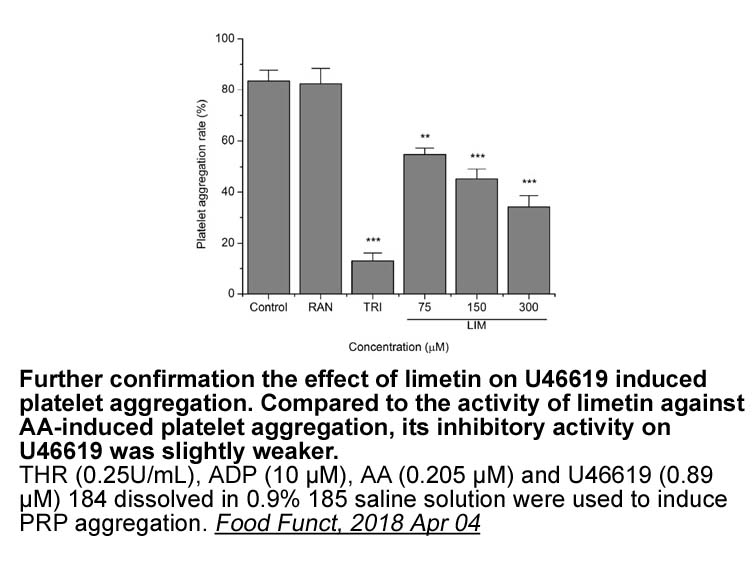
Introduction An association of elevated branched-chain Ac-DEVD-AFC (BCAA—Leu, Val, Ile) with obesity and insulin resistance was first reported nearly 50 years ago (Felig et al., 1969). With the advent of metabolomics technologies, it has since become apparent that the association of BCAA and relat
-
Caspase-8, human recombinant protein Two critical determinan
2024-09-10
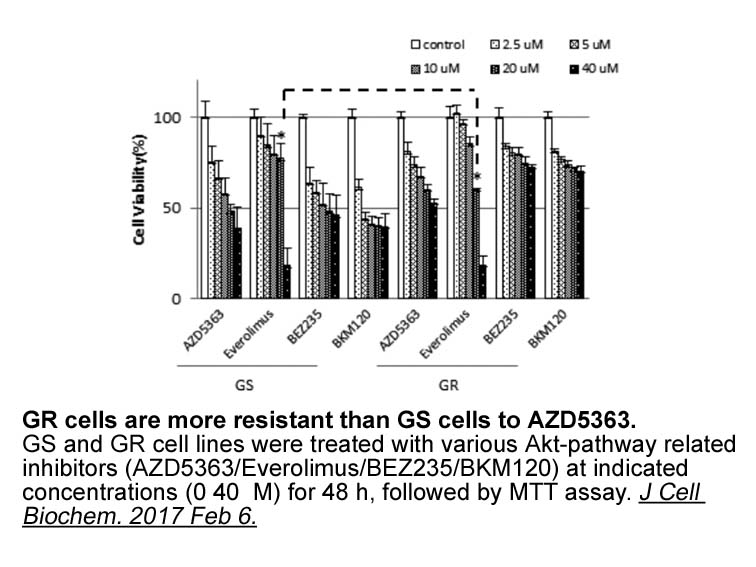
Two critical determinants of receptor trafficking are found within the GABAB1 cytoplasmic tail: the di-leucine internalization signal (EKSRLL) (Margeta-Mitrovic et al., 2000, Restituito et al., 2005) and the ER retention signal (RSRR) (Calver et al., 2001, Margeta-Mitrovic et al., 2000, Pagano et al
-
ASK has been identified as an ASK binding
2024-09-10
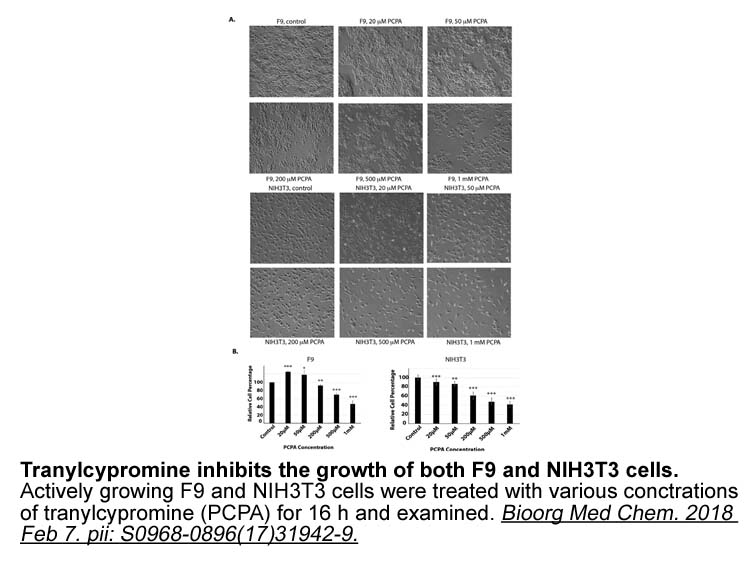
ASK2 has been identified as an ASK1 binding protein (Wang et al., 1998). ASK1 supports the stability and active configuration of ASK2 in the heteromeric complex, while ASK2 has been found to activate ASK1 by direct phosphorylation (Takeda et al., 2007). Unlike ASK1, which is ubiquitously expressed i
-
Echinocandin resistance is systematically associated with
2024-09-10
Echinocandin resistance is systematically associated with point mutations in either FSK1 or FSK2 genes [7], [104]. These mutations are located in two different not spot regions of these genes named HS1 and HS2. Hot spot mutations have been reported in C. albicans, C. glabrata, C. tropicalis, C. krus
-
Echinocandin resistance is systematically associated with
2024-09-10

Echinocandin resistance is systematically associated with point mutations in either FSK1 or FSK2 genes [7], [104]. These mutations are located in two different not spot regions of these genes named HS1 and HS2. Hot spot mutations have been reported in C. albicans, C. glabrata, C. tropicalis, C. krus
15585 records 105/1039 page Previous Next First page 上5页 101102103104105 下5页 Last page